
General Surgery at Airaavata Hospitals
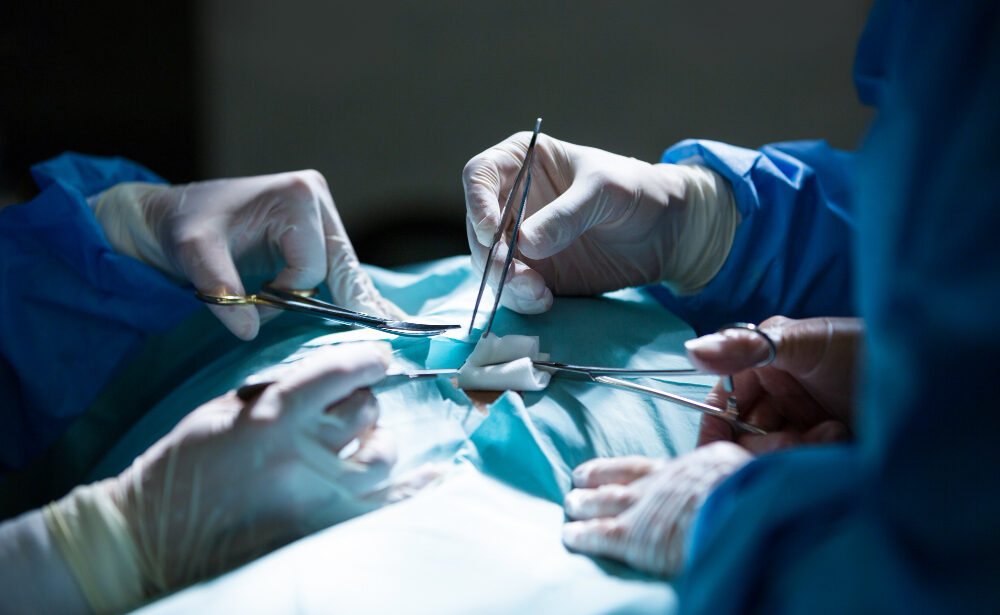
When you’re told you need surgery, it’s natural to feel a bit anxious. At Airaavata Hospitals, we focus on taking that stress away. Our surgical team combines years of hands-on experience with modern “keyhole” (laparoscopic) techniques to ensure your procedure is as safe and smooth as possible.
Whether it’s a planned procedure or an emergency, our goal is the same: get you back home and back to your routine quickly, with minimal discomfort.
What We Treat
Our surgeons handle a wide variety of conditions affecting the abdomen, digestive system, and soft tissues. We specialize in:
Appendix & Gallbladder: We perform most of these removals laparoscopically, meaning smaller scars and a much faster return to work.
Hernia Repairs: From simple to complex hernias, we use advanced mesh techniques to ensure a strong, lasting repair.
Digestive Tract Issues: Surgery for blockages, ulcers, or persistent stomach issues.
Lumps, Bumps, and Cysts: Quick, precise removal of skin swellings, lipomas, or infected cysts.
Piles (Hemorrhoids) & Fissures: Modern, less painful treatments for common but uncomfortable anorectal conditions.
Why Trust Your Surgery to Airaavata?
Round-the-Clock Readiness: Surgical emergencies don’t keep office hours. Our theater and surgeons are ready 24/7 for cases like acute appendicitis or trauma.
Focus on Safety: We follow strict pre-surgery protocols to ensure your heart, lungs, and blood sugar are ready for the procedure.
Post-Op Support: We don’t just finish the surgery and leave. Our nursing team and doctors monitor your recovery closely until you’re fully back on your feet.
Airaavata Hospitals
Frequently Asked Questions
For most laparoscopic surgeries (like a gallbladder removal), many people feel ready to return to light office work within 5 to 7 days. We’ll give you a specific timeline based on your recovery.
Usually, yes—especially blood thinners or certain diabetic medications. During your pre-op consultation, we will go through your current medicines and tell you exactly what to stop and when.
Absolutely. It provides the same (and often better) results because the surgeon uses a high-definition camera to see things in much greater detail than the naked eye.