

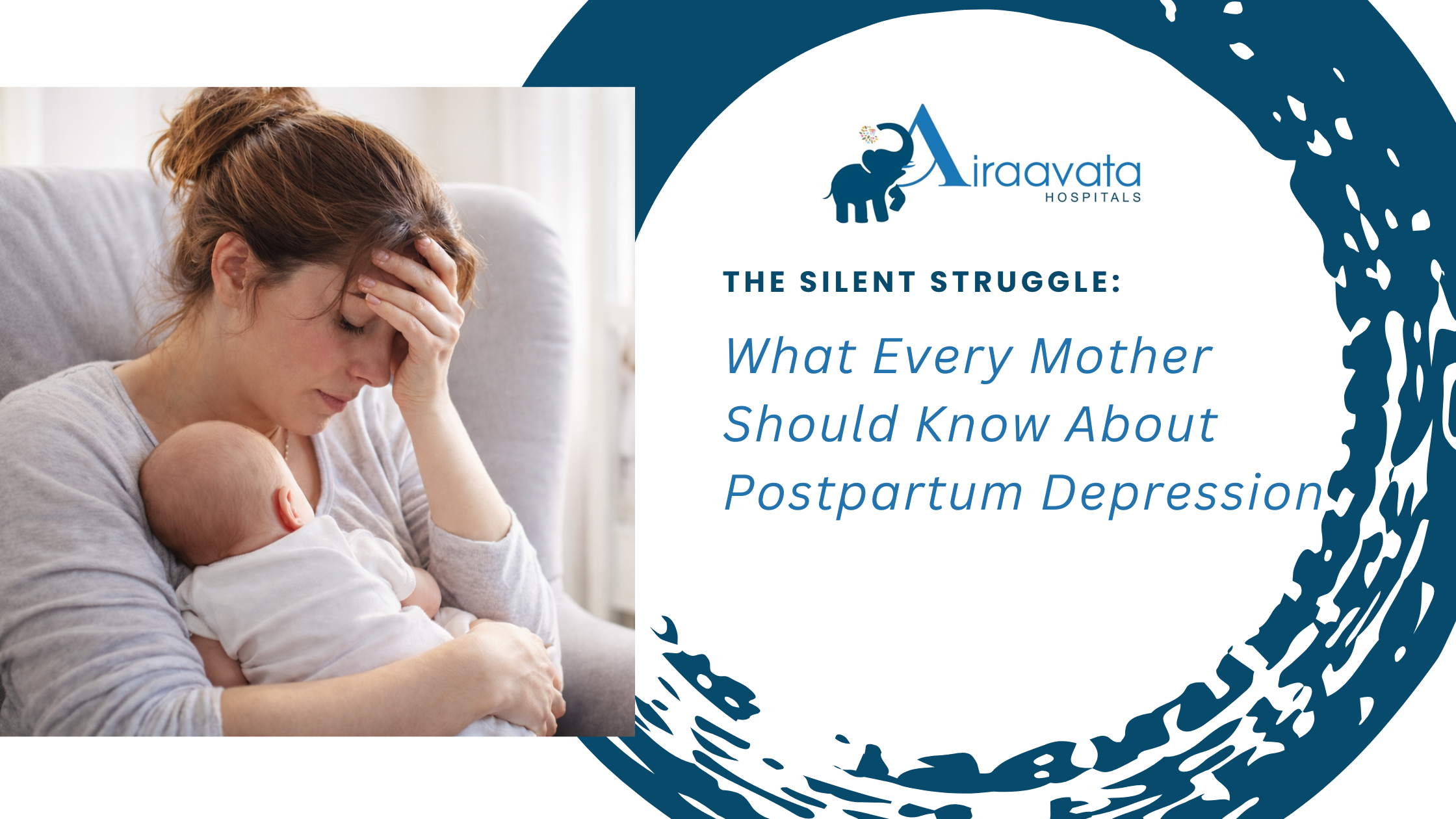
The Silent Struggle: What Every Mother Should Know About Postpartum Depression
Motherhood is often described as a joyful and life-changing experience. Families celebrate the arrival of a newborn, and society expects mothers to feel complete happiness during this time. However, for many women, the period after childbirth can bring emotional challenges that are rarely discussed. One of the most common yet misunderstood conditions new mothers face is postpartum depression.
It affects many mothers after childbirth. While it is a medical condition that can be treated, many women hesitate to talk about it because they fear judgment or misunderstanding. With the right awareness, support, and medical guidance, mothers can recover and enjoy their motherhood journey.
Healthcare providers, especially experienced gynecologists, play an important role in identifying and managing postpartum depression early.
What Is Postpartum Depression?
Postpartum depression (PPD) is a type of depression that can develop after childbirth. It affects a mother’s emotional, mental, and physical well-being.
After delivery, the body undergoes significant hormonal changes. At the same time, mothers may experience sleep deprivation, physical recovery from childbirth, and the responsibility of caring for a newborn. These factors can sometimes lead to emotional distress and depression.
If symptoms persist for several weeks or significantly interfere with daily life, consulting a women’s health specialist is recommended.
Common Symptoms of Postpartum Depression
Some of the common signs include:
-
Persistent sadness or emotional emptiness
-
Frequent crying without clear reason
-
Difficulty bonding with the baby
-
Severe fatigue and lack of energy
-
Anxiety or excessive worry about the baby
-
Feeling overwhelmed or hopeless
-
Trouble sleeping or changes in appetite
If these symptoms persist for more than two weeks, it is important to seek professional help.
Why Medical Support Matters
It is treatable, especially when diagnosed early. Consulting experienced doctors can help mothers receive the right support and treatment.
Many mothers benefit from guidance provided by gynecologists, mental health professionals, and women’s health specialists who understand the emotional and physical changes after childbirth.
For mothers living in Hyderabad, accessing care from experienced gynecologists and women’s health doctors can make a significant difference in recovery and overall maternal health.
Women’s Healthcare Support at Airaavata Hospitals
At Airaavata Multispeciality Hospital, women’s health is a priority. The hospital provides comprehensive care including maternity services, gynecology consultations, postpartum care, and emotional health support for new mothers.
Families searching for a trusted hospital in Tellapur, Nallagandla, Lingampally, Financial District, or BHEL Hyderabad can find experienced medical professionals dedicated to women’s wellness and maternal care.
Early consultation with the best gynecologist and women’s health doctors can help mothers manage postpartum depression and recover with the right treatment and support.
When to Seek Help
If emotional symptoms persist, worsen, or begin affecting daily life, mothers should seek medical advice immediately. Early diagnosis can make recovery faster and easier.
Talking openly with doctors, family members, or counselors can help mothers feel supported and understood during this phase.
Final Thoughts
Motherhood is a beautiful journey, but it also brings emotional and physical changes. Postpartum depression is not a sign of weakness it is a medical condition that deserves attention and care.
With the right support from family, healthcare professionals, and experienced gynecologists and women’s health specialists, mothers can regain emotional balance and enjoy their time with their newborn.
Frequently Asked Questions
Yes. Family support is very important. Helping with household tasks, encouraging rest, and providing emotional reassurance can make a big difference in a mother’s recovery.
Mothers experiencing emotional distress after childbirth should consult experienced gynecologists and women’s health specialists at trusted hospitals. Facilities that provide comprehensive maternal care can offer medical guidance, counseling, and support for postpartum recovery.
Some mothers may have a higher risk of developing postpartum depression. Risk factors include a history of depression or anxiety, a stressful pregnancy, lack of family support, complications during childbirth, or major life changes during pregnancy.
Yes. When postpartum depression is not treated, it can affect bonding between the mother and baby. Babies need emotional interaction and attention from caregivers, so treating postpartum depression early helps ensure healthy emotional development for the child.
Yes. Emotional distress, fatigue, and anxiety may make breastfeeding more difficult for some mothers. With proper medical support and counseling, mothers can manage postpartum depression while continuing to care for their baby.