

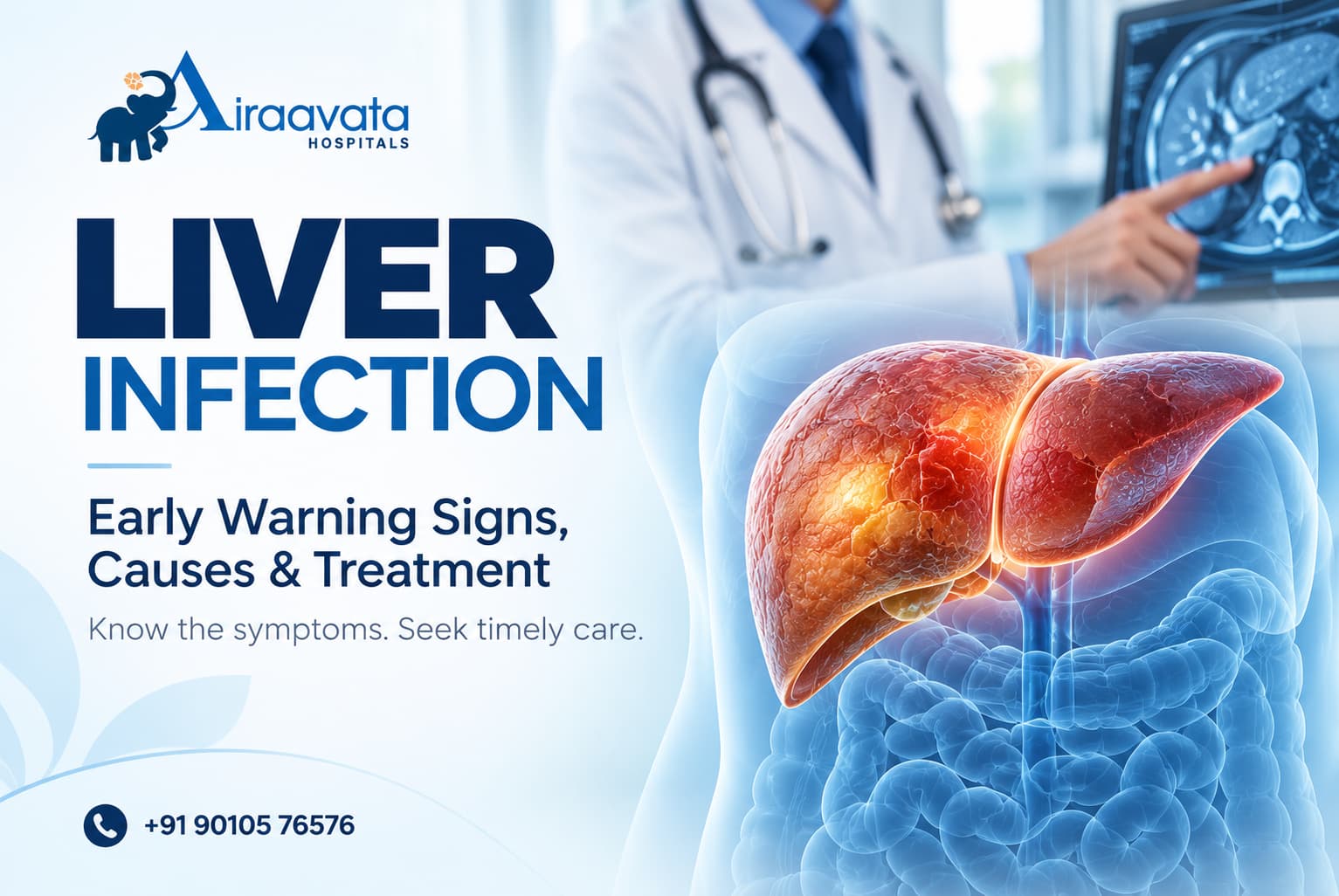
Liver Infection: Early Warning Signs, Causes and When to See a Doctor
A fever that doesn’t go away, unusual tiredness, or a sudden loss of appetite may not seem like something to worry about. Most of us would probably think it’s a seasonal illness, a stomach infection, or simply the result of a hectic week.
But sometimes, these symptoms can be linked to a problem with the liver.
The liver works quietly in the background every day. It helps digest food, processes nutrients, stores energy, and removes certain harmful substances from the body. We rarely think about it until a blood test shows abnormal results or a doctor notices something unusual.
An infection affecting the liver can interfere with these important functions. While some infections resolve with proper care, others may cause complications if they aren’t diagnosed and managed in time.
The difficulty is that liver infections don’t always have obvious symptoms. Knowing what to look out for, and when to seek medical attention, is a good place to start.
What Exactly Is a Liver Infection?
A liver infection develops when a virus, bacterium, or parasite affects the liver.
You may have heard the term hepatitis. It simply means inflammation of the liver. Some forms of hepatitis are caused by infections, while others result from alcohol use, certain medicines, autoimmune conditions, or other non-infectious causes.
Viral hepatitis is one of the better-known forms of liver infection. However, infections can also cause a liver abscess, where a collection of pus develops inside the liver.
These conditions are not all treated in the same way. Finding out what is causing the problem is just as important as recognising the symptoms.
What Causes Liver Infections?
One common misconception is that all liver infections come from contaminated food. That’s true for some infections, but not for all of them.
For example, hepatitis A and hepatitis E can spread through unsafe drinking water or food contaminated with the virus. These infections are associated with poor sanitation and inadequate hygiene.
Hepatitis B and hepatitis C spread differently. They are primarily associated with exposure to infected blood or certain body fluids. Unsafe injections and sharing contaminated needles are important risks. Hepatitis B can also spread through sexual contact and from an infected mother to her baby during childbirth.
There are other causes, too. Certain bacterial infections may spread to the liver through the bloodstream or bile ducts, sometimes leading to a liver abscess. Parasites such as Entamoeba histolytica can also cause an abscess in the liver.
This is why doctors don’t recommend the same treatment for everyone with suspected liver infection.
Early Symptoms of Liver Infection You Shouldn't Ignore
Liver infections can be difficult to recognise early because many symptoms resemble those of common illnesses.
Someone may experience a low-grade fever for a few days. Another person may notice that they’re unusually tired or have lost their appetite. In some cases, there may be no noticeable symptoms at all.
However, a few changes deserve attention.
Fever that persists or keeps returning
Fever can occur with some types of viral hepatitis and liver abscesses. Fever accompanied by chills or pain in the upper-right abdomen needs medical evaluation.
Yellowing of the eyes or skin
This is called jaundice. It occurs when bilirubin builds up in the body. Although liver infections can cause jaundice, it may also develop due to other liver, blood, or bile duct conditions.
Loss of appetite and nausea
Some people experience nausea, vomiting, or a reduced interest in food, particularly during an acute infection.
Unusual tiredness
Feeling exhausted even after adequate rest can sometimes accompany liver inflammation. However, fatigue alone isn’t enough to diagnose a liver problem.
Pain on the right side of the abdomen
The liver is located mainly in the upper-right part of the abdomen. Discomfort in this area can have several causes, including liver or gallbladder conditions.
Changes in urine or stool colour
Dark urine or unusually pale stools may occur when bilirubin processing or bile flow is affected.
None of these symptoms automatically means you have a liver infection. But if they persist, worsen, or occur together, it’s sensible to consult a doctor rather than trying to diagnose the condition yourself.
Is a Liver Infection the Same as Jaundice?
Not exactly.
People sometimes use the words jaundice, hepatitis, and liver infection as though they mean the same thing.
They don’t.
Jaundice is a visible sign of increased bilirubin in the body. Hepatitis means liver inflammation, while a liver infection refers specifically to an infection caused by an organism such as a virus, bacterium, or parasite.
A person can have hepatitis without developing jaundice. Similarly, someone may develop jaundice because of gallstones blocking a bile duct rather than a liver infection.
This distinction matters because the right treatment depends on identifying the underlying cause.
How Do Doctors Check for a Liver Infection?
If you visit a doctor with fever, jaundice, abdominal discomfort, or abnormal liver test results, the first step is usually to understand your symptoms and medical history.
The doctor may ask how long you’ve been unwell, whether you’ve travelled recently, what medicines you’re taking, and whether you may have been exposed to unsafe food, water, or infected blood.
Blood tests are often useful at this stage.
A liver function test can measure substances such as bilirubin and liver enzymes, including SGPT (ALT) and SGOT (AST). These results can indicate liver injury, but they don’t always reveal its cause.
If hepatitis is suspected, specific blood tests may be recommended to identify the virus.
An ultrasound may also be useful, particularly if a doctor suspects an abscess or another structural problem in the liver. Sometimes further imaging is needed.
The tests recommended will depend on your symptoms and examination findings. Not everyone needs the same investigations.
Can a Liver Infection Be Treated?
In many cases, yes.
The important thing to remember is that treatment depends on the type of infection.
For hepatitis A, most people recover with supportive care, which may include adequate fluids, nutrition, and rest as needed. Hepatitis E also usually resolves with supportive care, although it can be particularly serious during pregnancy.
Hepatitis B requires a different approach. Some people recover from an acute infection, while those with chronic hepatitis B may need regular monitoring and antiviral medicines.
Hepatitis C can now be cured in most cases with modern antiviral treatment.
If the problem is a bacterial liver abscess, antibiotics are generally required, and the collection may need to be drained. Amoebic liver abscesses require specific antiparasitic treatment.
What patients should avoid is starting antibiotics, taking unverified liver-cleansing products, or using leftover medicines without medical advice.
These approaches may not treat the infection and could delay proper care.
What Happens If a Liver Infection Is Left Untreated?
It’s natural to feel worried when you hear that an infection is affecting your liver. But not every liver infection leads to permanent damage.
Many infections improve completely with appropriate care.
However, chronic hepatitis B or C can sometimes cause progressive liver scarring, known as fibrosis. Over time, this may develop into cirrhosis and increase the risk of liver cancer.
A severe acute infection can occasionally lead to liver failure. Untreated liver abscesses can also cause serious complications.
These outcomes aren’t inevitable. Timely diagnosis, appropriate treatment, and follow-up can help reduce the risks.
Simple Habits That Can Help Protect Your Liver
Preventing liver infections isn’t about following a complicated health routine. Many protective steps are everyday habits.
Drink clean, properly treated water, particularly when travelling or when water quality is uncertain. Wash your hands before eating and after using the toilet, and pay attention to food hygiene.
Vaccination also plays an important role. Vaccines are available for hepatitis A and hepatitis B. A healthcare professional can advise which vaccinations are appropriate for you.
Avoid sharing needles, razors, or other personal items that may come into contact with blood. Medical injections, tattooing, and piercing procedures should always use properly sterilised equipment.
Safer sexual practices and appropriate hepatitis testing can further reduce the risk of infection.
If you have already been diagnosed with hepatitis, follow your doctor’s advice about treatment, monitoring, and precautions to prevent transmission.
When Should You See a Doctor?
An occasional episode of tiredness or mild stomach discomfort doesn’t necessarily indicate liver disease.
However, a fever that continues, unexplained loss of appetite, dark urine, or persistent discomfort in the upper-right abdomen shouldn’t be ignored.
New yellowing of the eyes or skin also needs prompt medical attention.
Seek emergency care if you experience severe abdominal pain, confusion, vomiting blood, or a rapidly worsening illness.
Pregnant women with symptoms suggestive of hepatitis should seek medical care promptly because certain infections, particularly hepatitis E, can be more serious during pregnancy.
If you’ve had possible exposure to hepatitis B or C, it’s worth seeking medical advice about testing even if you feel completely healthy.
Frequently Asked Questions
Can a liver infection go away on its own?
Some viral infections, such as hepatitis A, usually resolve without specific antiviral treatment. Others, including chronic hepatitis B or C, may require monitoring or medication. It’s important to establish the cause before deciding on treatment.
Is liver infection contagious?
It depends on the infection. Viral hepatitis can spread through specific routes, such as contaminated food or water, infected blood, or certain body fluids. Liver abscesses generally aren’t spread through ordinary casual contact.
Does every liver infection cause jaundice?
No. Some people with liver infections never develop jaundice, particularly in the early stages or with chronic viral hepatitis.
Can liver infections affect children?
Yes. Children can develop viral hepatitis, although symptoms and disease severity may differ from those in adults. Vaccination and hygiene are important preventive measures.
Is fatty liver a type of liver infection?
No. Fatty liver involves excess fat accumulating in liver cells. Although it can cause inflammation, it isn’t itself an infectious condition.
A Final Word on Liver Health
We often pay attention to our liver only when something goes wrong. But liver-related problems don’t always announce themselves with clear symptoms.
A fever that persists, unexplained tiredness, or yellowing of the eyes may have several possible explanations. The important thing is not to ignore these changes or assume that every liver problem can be managed with home remedies.
Liver infections have different causes, and many can be treated successfully when they are identified and managed appropriately.
If you’re concerned about symptoms or have received abnormal liver test results, speaking with a qualified medical professional can help you understand what is happening and what to do next.
📍 Airaavata Hospitals
Plot No. 146, Near Nallagandla–Tellapur Road, Tellapur, Serilingampalle (M), Hyderabad, Telangana – 502032
📞 Call: +91 9010576576
Medical Disclaimer: This article is intended for general health education. It does not replace professional medical advice, diagnosis, or treatment